
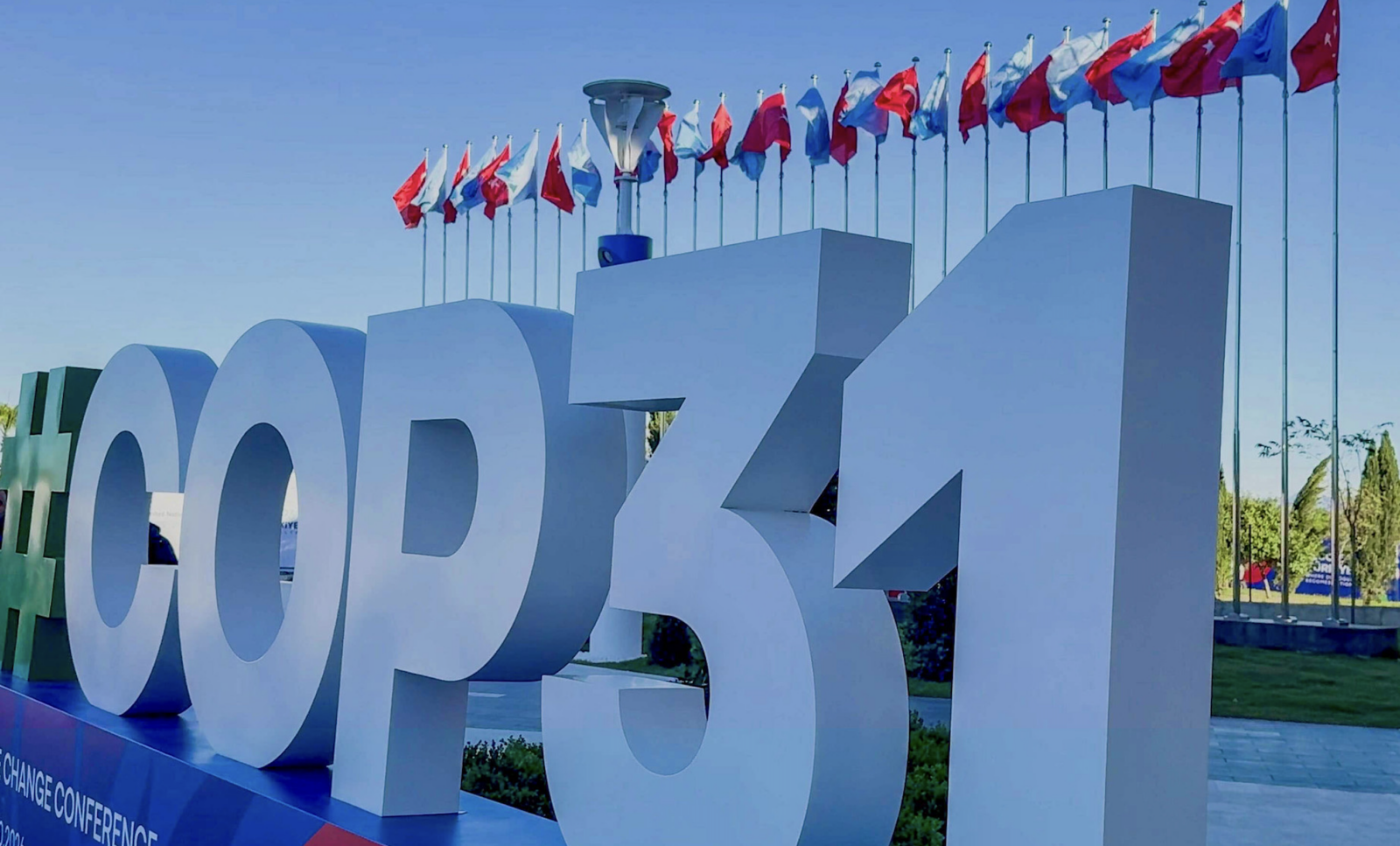
Countries adopted separate decisions on the Just Transition Work Programme, the Climate Finance Work Programme and adaptation. Most are procedural and leave the big questions open.
COP30 in Belém agreed to create a Just Transition Mechanism and COP31 was meant to make it work. Negotiators had already failed to produce a draft at the Bonn session in June.
It is the first COP without a cover decision since Copenhagen in 2009, which failed to agree on emission cuts and climate finance. Seventeen years later, we are at the same point and workers keep paying the price. To keep countries opposed to any limits on fossil fuels on board, key parts of the draft were deleted. The final version did not mention “fossil”, “oil” or “coal” and was so watered down that other countries rejected it. Some countries emptied the text, others refused what was left and nobody took responsibility for moving forward.
“They are kicking the can down the road. Not deciding is also a decision and every delay has a cost,”
said IndustriALL industrial policy director Diana Junquera Curiel.
Workers in energy, mining and manufacturing lose most from this indecision. Climate change and industrial transformation will reach them anyway, but without a plan, support or a say.
Three failures for workers
The mechanism is delayed. Countries pushed its structure to COP32. They extended the Just Transition Work Programme by three years, but without the dedicated structure, clear functions, resources or meaningful role for workers that unions and civil society asked for.
Workers are cut from the text. The first draft put workers’ rights, decent work and quality jobs at the heart of climate action. Negotiators removed every reference, wiping out years of union work to get workers into the decisions.
There is no money. Pledges to the Adaptation Fund fell to about US$50 million, down from about US$135 million in Belém. The adaptation decision repeats the goal of tripling finance by 2035 with no figure or baseline and there is no public plan to fund adaptation or a just transition. Without funding, workers face extreme heat, climate disasters and job losses without support.
Under consensus rules, a handful of countries can empty a text or block it outright. COP31 left two bad options: a text emptied until those who want to stop everything accept it, or no text at all. Either way, nothing moves. So, who is this system really for? Who benefits from these negotiations? Is anyone happy with the result? The workers IndustriALL represents are not.
IndustriALL is calling for:
- a fully operational Just Transition Mechanism at COP32 in Addis Ababa, with no more postponements
- a review of decision-making, so a minority cannot empty texts or block the process
- a formal role for trade unions in running the mechanism, building on the International Labour Organization’s just transition guidelines agreed by governments, employers and workers
- a public finance plan for adaptation and just transition, with figures and dates
- social dialogue and collective bargaining as conditions in voluntary industrial pacts
IndustriALL assistant general secretary Kan Matsuzaki said:
“It is absolutely essential that the voices, needs and rights of workers and communities are genuinely reflected in climate and industrial transformation policies and that they have a meaningful and important role in shaping a just transition.”