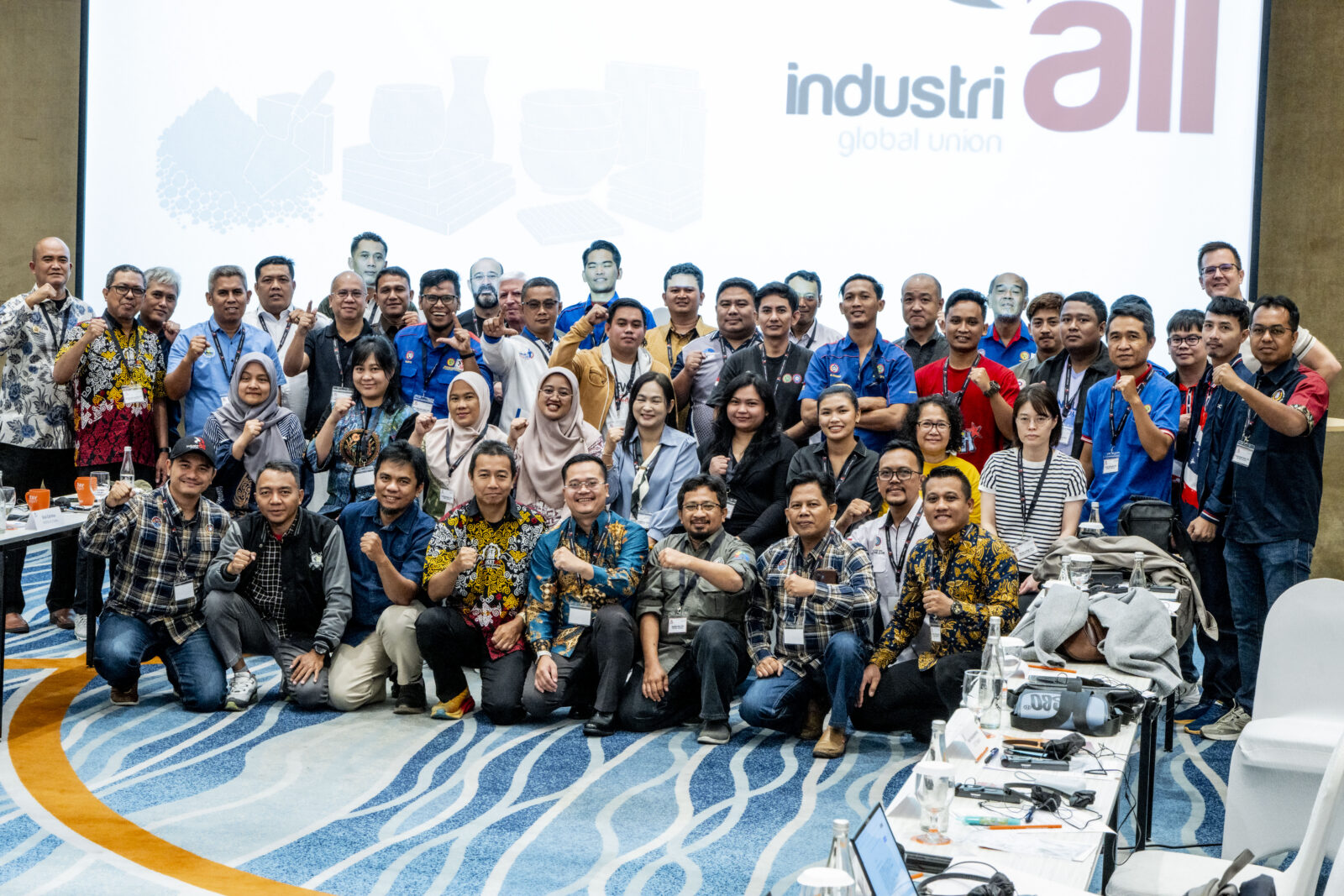
26 October, 2026Trade unions from cement, glass and ceramics workplaces in Indonesia, Thailand, the Philippines, Türkiye and Japan have agreed a joint plan to grow membership, win stronger collective agreements and make workplaces safer.
The IndustriALL Global Union materials network met in Jakarta, Indonesia, on 22 and 23 October. Delegates described how workers are paying the price for oversupply, cheap imports, rising energy costs and the shift to low-carbon production.
Working through the haze
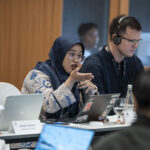
The most powerful testimony came from delegate Hetijah Henowo FSP ISSI, the first woman to lead her union. Women make up only around 4 per cent of its membership.
For months, smoke from forest fires has covered her workplace and the communities around it.
“Imagine working in a workplace covered by haze. It interferes with our vision and we cannot see clearly,”
she said.
Rain is not expected until mid-December. Her union is pressing management for more protective equipment, more drinking water and replacements for worn-out gear. It also trains members to report fire flash points.
“This year has been the worst, and with climate change it will only get worse and worse,”
she warned.
Hazards inside the plants
Other delegates described the daily risks in their plants:
Indonesia: a delegate from FSPMI said kilns run above 1,300°C and noise often exceeds 90 decibels, yet shifts last longer than the safe limit. The country’s main workplace safety law dates from 1970.
Thailand: Delegates described glass shards, silica dust and noise. Contract workers account for around 60 per cent of accidents in the sector, so safety must cover every worker, whatever their contract.
Japan: the Japanese Federation of Energy and Chemistry Workers’ Unions (JEC Rengo) said heat stress is now a summer hazard. The union negotiated 30-minute air-conditioned breaks.
Indonesia: a delegate from CEMWU raised rising deaths, mental health risks and companies that hide accidents instead of reporting them.
Outsourced and afraid to join
At one Indonesian cement plant, FSP ISSI reported around 3,000 outsourced workers and around 1,000 permanent staff. The company now recruits only outsourced workers.
Outsourced workers are not covered by the plant’s collective agreement. They are demanding permanent jobs.
Contract workers often fear dismissal if they join a union. A CEMWU delegate described the choice they face:
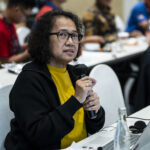
“Do you want to have a job, or do you want to fight for a permanent job?”
Unions in Thailand and the Philippines shared how youth camps, leadership training and rights education are bringing young workers in. Kristal-İş in Türkiye said white-collar workers remain hard to organize.
Defending agreements, winning new rights
Since Indonesia’s Omnibus Law came into force, unions have fought to stop their collective agreements from being weakened.
“It was not about improving the agreement but fighting against the weaker provisions,”
said an FSP ISSI delegate.
FSP ISSI has agreed that every plant-level union will propose Just Transition clauses, including employer-paid upskilling for new technology.
Unions shared their recent gains:
Indonesia: 14 weeks of maternity leave at Semen Padang, above the legal minimum.
Thailand: group insurance and up to six days of menstrual leave.
Philippines: unions are pressing for hazard pay and seniority pay.
An industry under pressure
Tom Grinter, IndustriALL director for the materials industries, set out the global picture. In 2025, Indonesia could produce 119.9 million tonnes of cement but used only 63.9 million tonnes at home (SIG Annual Report 2025).
FSPMI is calling for a moratorium on new cement plant permits. Ceramics unions reported gas shortages, a flood of imports and production lines closing.
“The question is not simply how much investment enters our region, but whether that investment creates sustainable industries and decent jobs while respecting workers’ rights,” said Ramon Certeza, IndustriALL regional secretary.
The plan
The network agreed three priorities:
Membership: map workplaces, multinational networks and supply chains. Bring contract, outsourced, migrant, women and young workers into unions, and track membership in a shared database.
Collective bargaining: share winning clauses on maternity, paternity and menstrual leave. Demand financial disclosure when employers plead hardship. Secure advance consultation on new technology and a Just Transition.
Safety and health: carry out joint inspections of heat and dust, review accidents every month and make sure unions play an active role in safety committees.
Affiliates will build a coordinated regional action plan. They will also push for worker-friendly laws and stronger labour inspection.
Visiting Surya Toto
On 23 October, delegates visited the Surya Toto ceramics plant in Tangerang. Hosted by affiliated union CEMWU.
Closing the meeting, Tom Grinter said:
“Listening to you speak about haze, heat, outsourcing and the fight to defend your agreements, I kept thinking one thing. If I were a member of your union and you were my leader, I would be extremely proud. You came prepared, you challenged each other and you challenged IndustriALL, and I learned a great deal from every one of you. These are tough struggles, but the energy and commitment in this room tell me we will win them together.”