9 April, 2026More than 2,400 workers in South Africa's ferrochrome sector face retrenchment after Glencore-Merafe Chrome Venture and Samancor Chrome pressed ahead with Section 189 notices, despite a union-brokered electricity tariff deal. The National Union of Mineworkers (NUM) and the National Union of Metalworkers of South Africa (NUMSA), affiliates of IndustriALL Global Union, are demanding the notices be withdrawn immediately.
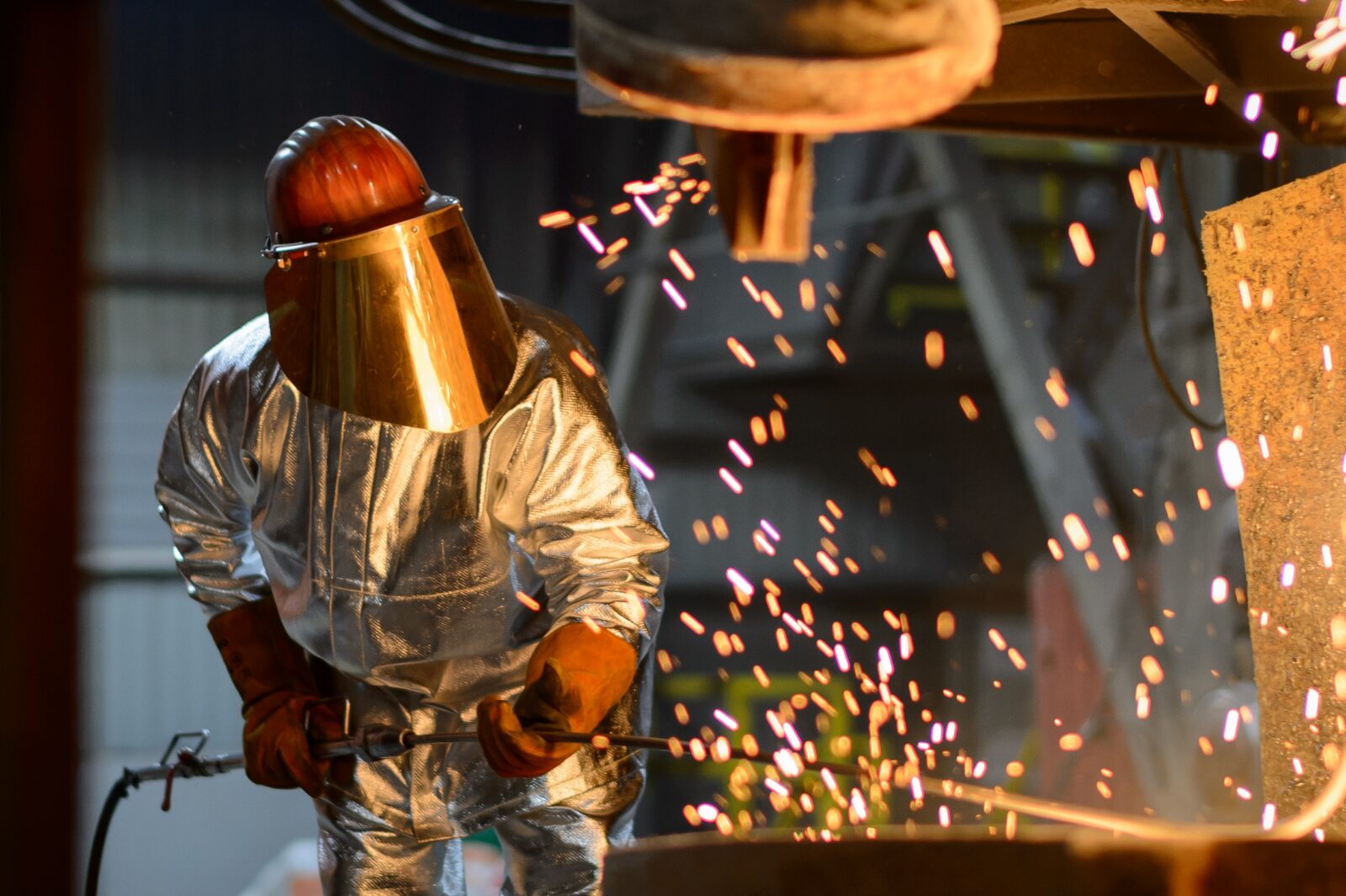
In South Africa’s ferrochrome sector, where once-bustling smelters now lie dormant, unions are fighting to save jobs. The sector, long a pillar of the country’s mineral beneficiation programmes, has fallen idle due to high electricity costs and under-utilization. At present, only 11 of the country’s 66 ferrochrome furnaces are operational.
Unions secure tariff deal
After intensive lobbying, a modest breakthrough appeared on 27 February 2025 when Glencore-Merafe Chrome and Samancor Chrome secured an agreement with Eskom, the state-owned power utility, to pay R0.62 (US$0.033) per kilowatt-hour instead of the R0.877 (US$0.047) approved in January. The tariff had previously stood at R1.36 (US$0.073) per kilowatt-hour, according to NUM. Eskom granted the reduction on condition that smelters that had been shut down be brought back into production, subject to a five-year contract, annual tariff reviews, revenue-recovery mechanisms and other safeguards designed to protect the utility’s own precarious finances.
Companies press ahead with retrenchments despite tariff deal
The apparent compromise has quickly soured. The companies are dissatisfied with Eskom’s conditions, arguing against the long-term commitments and adjustment clauses. Rather than reopening idle furnaces, management has signalled its intention to proceed with retrenchments. The unions accuse the employers of negotiating in bad faith: after securing the lower tariff, Glencore-Merafe Chrome and Samancor Chrome are now backing away from commitments to job preservation and capacity restoration.
NUM expressed shock and disappointment, particularly over Samancor’s decision. “This move comes as a devastating blow to the workforce,” the union said, “particularly after NUM fought tirelessly to negotiate for lower electricity tariffs to ensure the sustainability of the company’s operations.”
NUMSA general secretary Irvin Jim is demanding the immediate withdrawal of all Section 189 notices, the reopening of mothballed smelters and a return to genuine negotiations with Eskom over the disputed conditions.
Jobs at stake in a country with 43 per cent unemployment
The stakes extend well beyond the two companies. South Africa’s extended unemployment rate stands at over 43 per cent. The destruction of thousands of formal-sector jobs carries significant knock-on effects for household incomes, local economies and social stability.
Paule-France Ndessomin, IndustriALL regional secretary for Sub-Saharan Africa, said:
“South Africa cannot afford to lose these jobs. With unemployment already at over 43 per cent, every formal-sector job that disappears takes a family’s income with it. These companies have a responsibility to their workers and to the communities that depend on them. Walking away from that responsibility is not a business decision, it is a social one, and IndustriALL is in full support of its affiliates NUM and NUMSA in their fight to save jobs.”