
Read this article in:
English
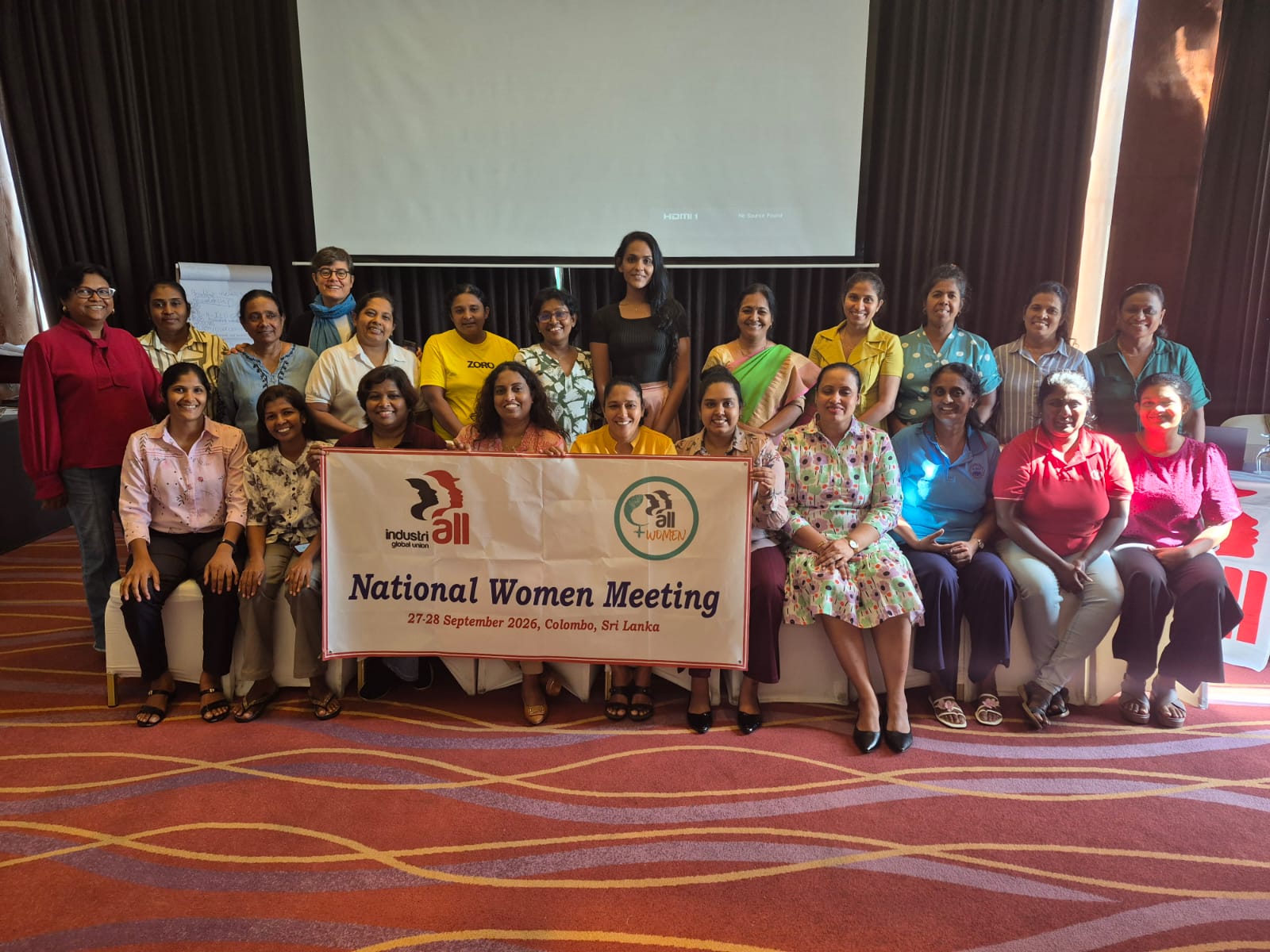
20 October, 2026Women trade unionists across South Asia are demanding equal opportunities to lead and influence decision-making. At recent women’s committee meetings in India, Sri Lanka and Bangladesh, women union leaders and activists analysed the barriers they face and developed strategies to strengthen women’s power within trade unions.
The discussions in India provided a powerful starting point. When participants explored the meaning of power, they described it not as holding a title, but as the ability to influence decisions, shape priorities and policies, mobilize people, represent workers and create meaningful change. Power means having access to resources, building unity and advancing transformative agendas that deliver lasting improvements for working people.
Many of the women around the table already possessed the qualities they identified as essential for leadership. They spoke about the importance of experience, listening, resilience, determination, analytical thinking, communication skills, the ability to unite people and the commitment to act for the common good. These are qualities they demonstrate every day in their unions, workplaces and communities.
Barriers to leadership
Training and capacity building remain important, but the biggest obstacle is often access to leadership positions. Women face structural barriers including unequal care responsibilities, lack of time, resistance from union structures, limited support from colleagues and family and too few opportunities to move into decision-making roles. Women in Sri Lanka and Bangladesh identified similar challenges.
Representation alone is not enough. Women stressed repeatedly that leadership must be meaningful. In Bangladesh, most federations have women’s committees and quotas and women hold on average 30 to 40 per cent of leadership positions. Yet women from only two federations reported having real influence over decision-making.
Several women shared powerful stories about the role of allies in their leadership journeys. Supportive union leaders and colleagues had encouraged them to step forward, take on responsibilities and seize opportunities that they were fully capable of handling.
A shared agenda
Common priorities emerged across the three countries. Women called for more seats on decision-making bodies, stronger support for women candidates, more opportunities to lead projects and campaigns and greater representation in union leadership. They also prioritized stronger leadership development programmes, mentoring for emerging women leaders, training on organizing and collective bargaining and more opportunities to gain practical leadership experience. Women’s committees should be strengthened as vehicles for mobilization, participation and support.
“The question these women are asking goes beyond access to positions. Influence for what? They want women’s concerns to be recognized as trade union priorities, not side issues and to create lasting change in workplaces, unions and society,”
said Sanjyot Vadhavkar, co-chair of IndustriALL India Women Committee.
A gender perspective on health and safety
All three meetings prioritized occupational health and safety (OHS) from a gender perspective. For these women, OHS is not only about preventing accidents and injuries, but about regaining greater control over their lives, health and bodies. Their plans include strengthening women’s participation in OHS committees, collecting data on the specific risks women face, organizing awareness campaigns on women’s health, providing regular health check-ups and negotiating gender-responsive OHS clauses. They also aim to establish more inclusive mechanisms and policies that reflect women’s experiences and needs.
The discussions also raised issues often overlooked in workplaces and unions, such as reproductive health, menopause, anaemia, cervical cancer, gender-based violence and harassment and occupational diseases. Women leaders recognized these not as private matters but as workplace issues affecting women’s dignity, participation, wellbeing and ability to exercise their rights at work.
Women are seeking not only better working conditions, but greater autonomy, dignity and agency for women workers. They want a trade union movement in which women have a seat at the table and the power to shape the decisions that matter.
“Women are not lacking leadership qualities. They are strong leaders already. What they demand is recognition, opportunities and meaningful influence to help build more equal, inclusive and transformative unions,”
said Armelle Séby, IndustriALL gender director.