
Read this article in:
English
28 October, 2026“Sometimes I ask myself why I keep fighting, but I continue. I do not want to be silenced by management. The union is what helps me move forward and gives me strength.”
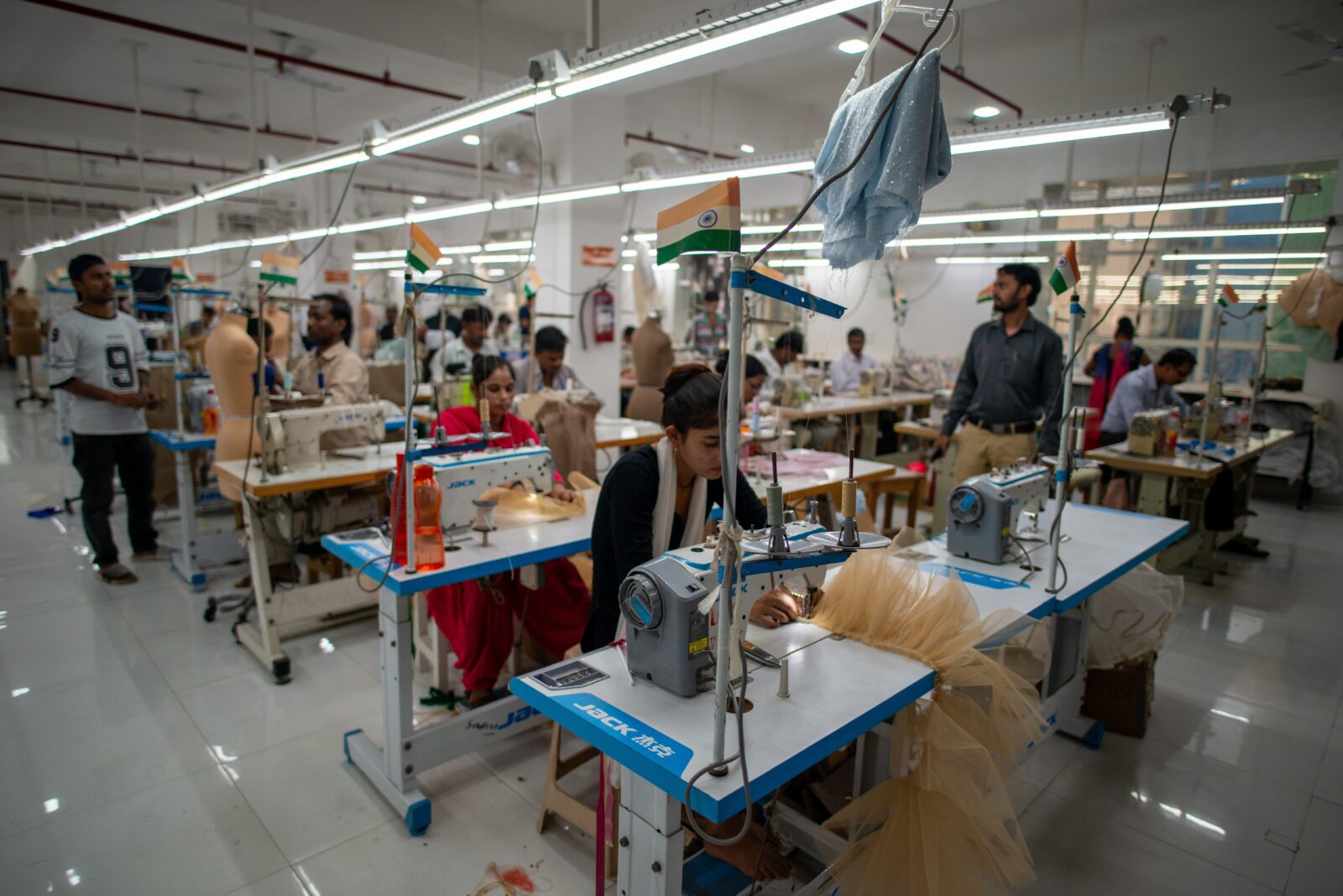
These words come from a garment worker in Bengaluru, India. Some women trade unionists from the garment sector describe a real nightmare in certain supplier factories in the area. They face harassment, intimidation, humiliation and exploitation every day. Yet they keep fighting for dignity for themselves and for other women workers.
The situation is particularly acute in parts of the garment industry. Women from mining, cement and electronics shared similar experiences. However, where unions are stronger, they protect women workers better.
“There is no place where women can feel safe in our workplaces,” said three members of the Indian garment unions GLU and KIGWU. They work in supplier factories producing for major international brands.
Using workplace hazard mapping, women identified the places where they face risks of psychological and sexual harassment. The maps quickly filled with red crosses.
For many women, the harassment starts before they even reach the factory. Bus drivers sexually harass women workers on their journey to work. Security guards do the same at factory entrances. Inside the factory, humiliation from managers becomes routine.
“You are not made for this job. You should stay at home raising children. You belong in the red-light areas.”
Employers push workers to meet production targets that often require undeclared and unpaid overtime. Even toilets are not places of refuge. Managers monitor workers, even in the toilets and pressure them to return to the production lines. Women who complain or are associated with unions face punishment and intimidation. Managers make them wait for hours outside HR offices. Some refuse to use lifts because male colleagues touch and grope them.
For women trade unionists, life is a constant ordeal. Management and HR closely monitor union activists, looking for excuses to discipline or discredit them at every opportunity. For these women, the pressure extends beyond the workplace. At home, some face criticism from their families for speaking out instead of staying silent and simply keeping their jobs.
One might ask how these women continue to cope and keep going. They are leaders with remarkable resilience. But at what cost?
The consequences can be devastating for women working in these factories, including migrant workers. Stories of suicide attempts and suicides among women workers in some of these factories continue to emerge.
Yet it would be a mistake to see these women only as victims. Despite earning little more than Karnataka’s minimum wage of 13,000 rupees a month (US$135), they resist. They do not bend. They continue to support their families and stand up for their rights.
For many, the union is their only source of support. IndustriALL affiliates, including GLU/INTWF and KIGWU/Unions United, follow up complaints and seek remedies and reparations. They also push employers to put preventive measures in place. They do this with IndustriALL’s support and sometimes with the help of international brands that have signed global framework agreements (GFAs).
However organizing remains extremely difficult in the garment sector. Unions are not allowed into garment production units. When workers organize, employers often spread rumours to discredit unions. Most garment workers are young women who frequently move between jobs and are often discouraged by their families from joining unions.
Violence remains widespread in many supplier factories. It will continue unless there are profound changes in mindsets, management culture, workplace structures, business practices and systems to prevent gender-based violence and harassment (GBVH).
Through its GFAs, IndustriALL is working with multinational companies to drive change throughout garment supply chains. In India, the National Monitoring Committee, under the H&M GFA, is exploring how to roll out H&M’s guidelines on GBVH for suppliers properly and effectively. The guidelines aim to strengthen prevention and grievance mechanisms, encourage women to speak out and address unequal power relations in supplier factories.
This action is important, but progress through human rights due diligence (HRDD) remains slow. It depends largely on brands’ leverage, especially in countries where some suppliers are as influential and powerful as the brands themselves. Ultimately, the strongest protection remains an organized workforce. As long as strong trade union structures are absent from large parts of the garment supply chain, meaningful transformation will remain difficult.
The same lesson emerged from other sectors
The red crosses on workers’ maps in mining also revealed the risks of GBVH. Women from the mining sector identified risks linked to night shifts, poor lighting, isolated underground worksites and the absence of separate sanitation facilities.
In electronics, women reported that managers penalized them for taking longer toilet breaks, with little recognition of biological differences or menstrual health needs. Managers even mocked some women for requesting adequate hygiene facilities, despite the health risks. Women’s work also remains undervalued. They work mainly in repetitive jobs and have fewer opportunities for advancement. Employers often give them positions without real decision-making power. Even maternity protection is something employers too often treat as a concession rather than a fundamental right.
Across sectors, one reality stood out: unions protect women.
Yet awareness raising remains essential. One young trade unionist took part in the GBVH hazard mapping exercise. Before that, she believed the main risks in mining were accidents and other traditional safety hazards. After the exercise and discussions with other women workers, she realized that GBVH risks are also real and pervasive for women workers.
This is why women’s leadership and participation matter. When women are part of union leadership and decision-making bodies, issues often hidden, normalized or ignored become visible and are addressed.
“All these stories reveal one thing: it would be wrong to believe that violence is simply the result of a few bad individuals. It is embedded in workplace cultures, unequal power relations and business models that continue to tolerate the unacceptable,”
says Armelle SEBY, IndustriALL director for gender and white-collar workers.
That is precisely why women trade unionists in India continue to organize and fight, despite everything. For many workers, the union is not just representation.
It is what stops them from giving up.