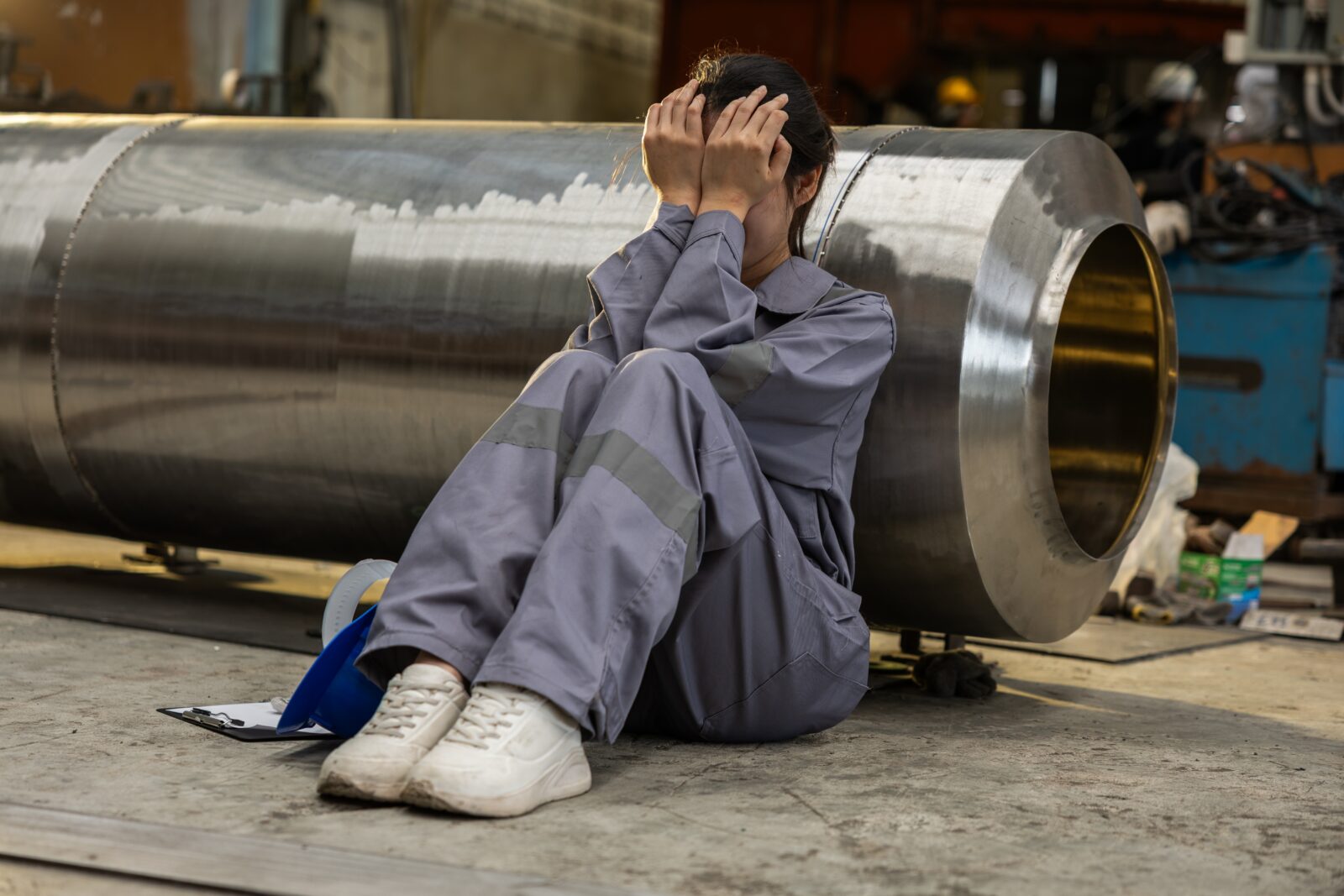
28 April, 2026Every year on 28 April, International Workers' Memorial Day calls us to remember those killed, injured or made ill by their work. This year, the crisis in focus is psychosocial risk, less visible than a chemical spill or a collapsed mine shaft, but no less deadly.
According to the International Trade Union Confederation (ITUC) long working hours alone are responsible for around 745,000 deaths each year. At least 70,000 workers die by suicide annually due to work-related factors. Depression and anxiety cost 12 billion working days every year. Burnout affects around one in five workers globally, and psychosocial risks are linked to more than 10 per cent of all cases of heart disease, depression and suicide.
“Psychosocial risks are not a new phenomenon in our sectors, but they are growing. Workers are facing impossible targets, job insecurity and relentless pressure and it is taking lives. The evidence is clear: a strong union presence and collective bargaining are the most effective tools we have. IndustriALL is calling on employers and governments to act through enforceable laws, social dialogue and recognition that mental health is an occupational health issue,”
says IndustriALL general secretary Atle Høie.
What psychosocial risk looks like in practice
In Ghana’s mining sector, psychosocial risk is highly pronounced. Miners in Obuasi, Tarkwa, and Prestea work under intense physical and psychological pressure, facing hazards underground as well as prolonged mental strain. Poor ventilation, extreme heat, dust, and humidity make underground conditions exhausting, while surface workers and machine operators endure long hours in direct sunlight and operate heavy equipment in peak temperatures. Over time, fatigue, dehydration, and reduced concentration heighten accident risks and place a significant burden on mental health.
Heat stress affects not only the physical body but also psychological well-being. Workers exposed to persistent overheating and production pressures frequently experience increased stress, irritability, and anxiety. Prolonged exposure to these conditions can undermine teamwork, increase conflict, and reduce morale. The International Labour Organization (ILO) recognizes that excessive heat may contribute to cardiovascular strain, kidney disorders, and mental distress.
For many Ghanaian miners, psychosocial risk extends beyond the workplace. Rotational schedules keep workers away from their families for days or weeks at a time, leading to loneliness, family tension and emotional strain. Contract workers face constant uncertainty during periods of significant volatility in gold prices or operational restructuring. For those supporting both nuclear and extended families, income insecurity becomes a heavy psychological burden. In all these, the informal sector face even greater exposure, often without access to adequate safety systems, clean water or union representation.
The union response
A robust and democratic union presence in the workplace provides the most effective protection against psychosocial risks. The Ghana Mineworkers’ Union has led negotiations for collective agreements that address these issues, securing safeguards such as protection against heat stress, access to medical examinations, psychosocial support, and equitable workload distribution.
A fundamental aspect of mining companies’ duty of care is the implementation of straightforward measures to mitigate psychosocial risk. Regular access to clean drinking water, shaded rest areas, work-rest cycles during peak heat hours, temperature monitoring, and confidential mental health counselling are all feasible with sufficient commitment. Supervisors on the other hand require training to identify early signs of burnout, heat-related illness, and emotional distress.
Given that these challenges extend beyond mining and affect other industrial sectors, IndustriALL identifies this issue as integral to its broader mandate of promoting responsible business conduct and human rights due diligence.
What we are calling for
On Workers’ Memorial Day, IndustriALL joins the ITUC in calling for
- Strong laws to prevent psychosocial risks at work
- The need for the ratification of ILO Conventions 176 and 190
- Full involvement of trade unions in workplace health and safety
- Decent work including secure jobs, fair pay and manageable workloads
- Recognition of mental health conditions as occupational diseases