12 February, 2026IndustriALL Global Union, industriAll Europe and the ITUC have launched a Just Transition Manifesto for the textile and garment supply chain, with a clear message: climate and digital transformation must not come at workers’ expense.
Launched during a virtual side session to the Garment Forum, the manifesto sets out why a Just Transition is urgent, and why unions must shape it.
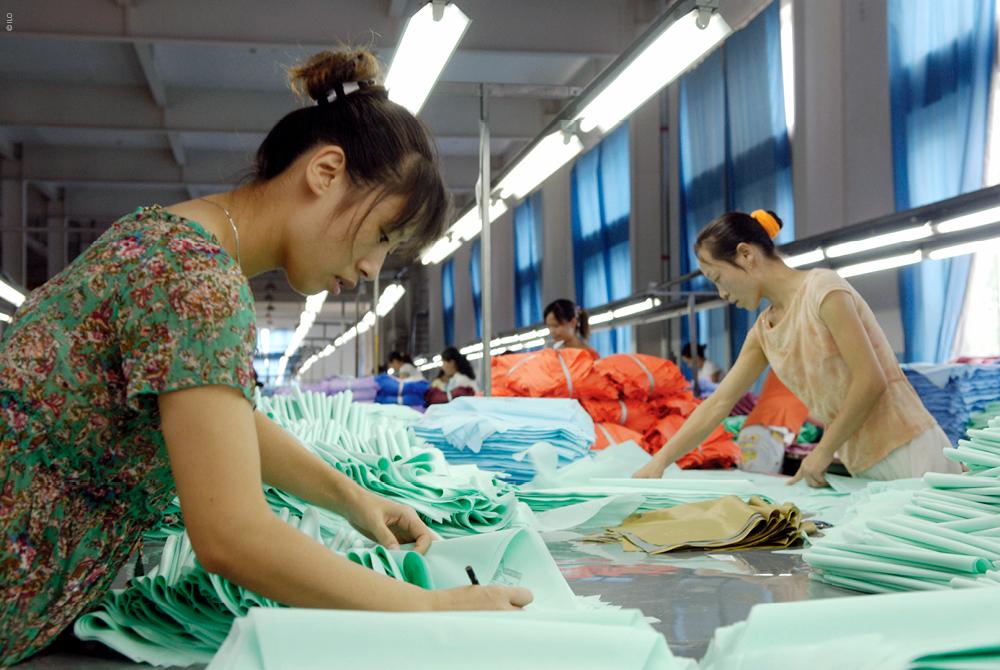
More than 400 million people work in the sector worldwide, most of them women in the Global South facing low wages, unsafe conditions, heat stress, job insecurity and weak social protection. As decarbonization, automation and digitalization accelerate, workers risk being pushed further to the margins.
A transition without safeguards deepens inequality
Garment workers are already living the impacts of climate change. Extreme heat, floods, factory shutdowns and wage losses are daily realities, particularly for women, informal and migrant workers. Yet those most affected are rarely consulted.
Unions warned that climate action without worker protection deepens injustice. Green policies and new production models are transforming supply chains, but without regulation and planning they are driving job losses, intensifying work and widening inequality.
Decisions made without workers
Climate and sustainability strategies are largely shaped by governments and brands, while workers bear the consequences of restructuring and automation.
The manifesto demands worker-led decision-making through unions and social dialogue. Governments must actively promote social dialogue. Employers and brands must engage responsibly. Unions must assess climate risks and negotiate solutions that work for workers.
Speakers also pointed to the imbalance of power in global supply chains. Brands set prices and deadlines while shifting costs and risks onto suppliers and workers. Voluntary commitments are not enough.
Binding rules, not voluntary promises
The manifesto calls for binding obligations, responsible purchasing and real corporate accountability. Workers’ rights, living wages, health and safety and gender equity must be central.
The sector faces serious environmental challenges, from water use to chemical pollution, often borne in the Global South. There are opportunities in renewable energy and new production models, but only if governed in workers’ interests and secured through collective bargaining.
More than a statement, the manifesto is a tool for negotiation and organizing. It calls for binding responsibility from brands and governments and systemic change that centres workers in climate and digital policies.
The message from unions was clear: a Just Transition is not optional — it is urgent.
“Jobs are being displaced, work is intensifying, surveillance is expanding, skills gaps are widening and informal labour is growing. Without action, we will see rising job losses, deepening poverty and an escalation of gender-based violence.
“A Just Transition must ensure that climate solutions create decent work, not new forms of exploitation. That’s why the manifesto sets out a clear path for worker-led change, binding responsibility for brands and governments and protections that guarantee rights, dignity and collective bargaining for the people who make our clothes,”
says IndustriALL textile and garment director Christina Hajagos-Clausen.