
Read this article in:
English
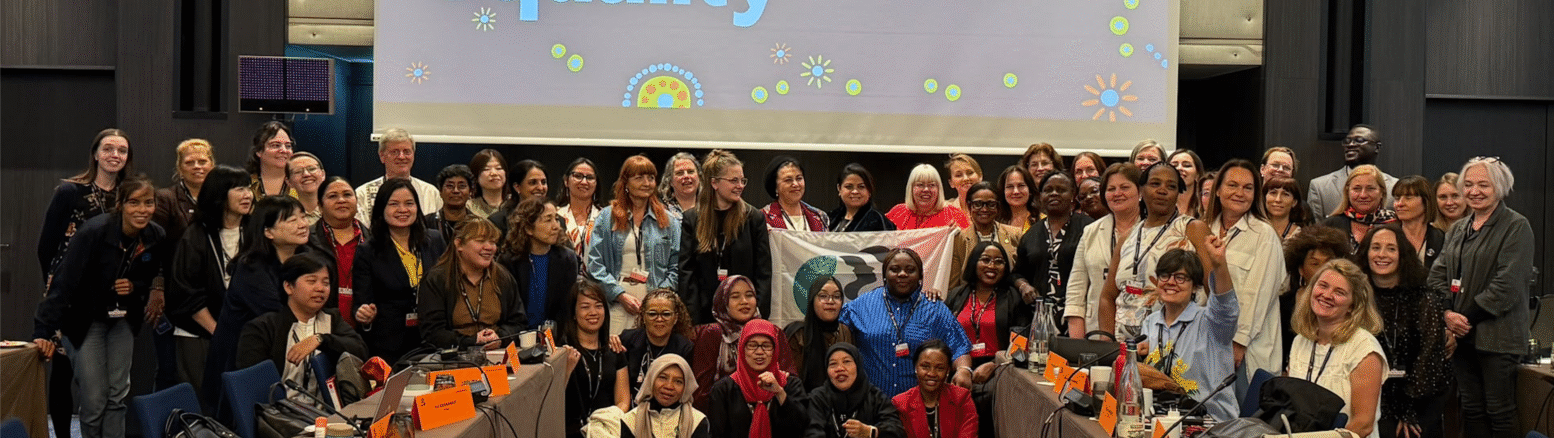
21 October, 2026IndustriALL’s women’s committee met online on 15–16 October 2026 to identify priorities for a future pay equity policy. Around 50 women trade unionists from all regions participated.
They discussed how unions can tackle persistent gender pay inequalities and strengthen equal pay action. The outcomes will shape IndustriALL’s broader gender policy, for presentation to the 2029 Congress.
IndustriALL general secretary Atle Høie said women still earn 18 to 20 per cent less than men for work of equal value:
“The last decade has shown some progress but if we continue at this pace, it will take 100 years to get to pay equity, which is not acceptable for anybody.”
IndustriALL assistant general secretary Christine Olivier said pay equity is a core union issue:
“When women’s work is undervalued and women workers are excluded, all workers are weaker.”
Who is left behind?
Participants said part-time, temporary, informal, migrant and subcontracted workers are furthest from fair pay. Along with these groups, women without collective bargaining agreements and in feminized jobs such as care face similar challenges.
Root causes include pay secrecy, breadwinner stereotypes, slow promotion in women-dominated departments and bargaining teams without women. Unions can reproduce these gaps.
Tools and examples
An International Labour Organization (ILO) expert explained equal pay for work of equal value, gender-neutral job evaluation and pay transparency. Furthermore, the discussion highlighted IndustriALL’s membership of the Equal Pay International Coalition (EPIC). The ILO, UN Women and the OECD established this tripartite body.
Affiliates shared what works: pay transparency laws in Brazil and Canada and collective agreements correcting pay gaps in Finland and Jordan.
Policy direction
Participants discussed fair, decent, discrimination-free pay, guided by equal pay for work of equal value, ILO Conventions 100 and 111 and intersectionality. As a result, priority actions include training negotiators, regular pay audits and global framework agreements (GFAs) with multinationals.
The committee reviewed draft guidelines, model language and a checklist for integrating gender equality into GFAs. The tools aim to strengthen women’s participation and address gender-related risks across multinationals and their supply chains.
They offer practical guidance on negotiating, implementing and monitoring GFAs, with model clauses from minimum to transformational commitments.