



30 March, 2026A new centre dedicated to making human rights due diligence laws deliver real results for workers was launched in Berlin on 26 March, bringing together trade unions, companies, policymakers and practitioners for a day of debate on how binding regulation can shift power to workers in global supply chains.
The Competence Centre for Human Rights Due Diligence was established by IndustriALL Global Union, UNI Global Union, the German Trade Union Confederation (DGB) and the Friedrich-Ebert-Stiftung. It is a non-profit foundation registered in the Netherlands, backed by initial funding from the German federal ministry for economic cooperation and development.
The Competence Centre will support a fundamental shift: from voluntary approaches to binding legal frameworks. This shift creates new opportunities for workers worldwide to access accountability and remedy. The launch event, hosted by FES, opened with a clear statement of purpose. Only by putting human rights at the centre of business life can the world become a more just place.
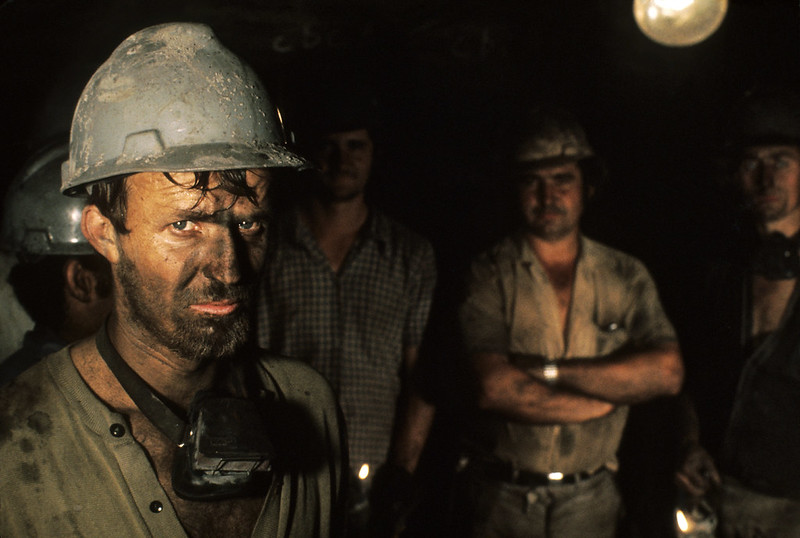
Kelly Fay Rodríguez, head of the centre, opened with a call to visualize the workers these laws are meant to protect — garment workers in Bangladesh, miners in Zambia extracting cobalt for electric vehicle batteries, warehouse workers in countries where organising can cost you your job, content moderators reviewing harrowing material for as little as two US dollars an hour.
“For too long, when their rights were violated, companies could walk away. Distance was a shield. That era is ending.”
During the day, three panels explored how to put that principle into practice. They covered the legal landscape, union recognition in global supply chains and the specific realities facing workers in critical minerals and tech. Speakers from Zimbabwe, Kenya, Brazil, Côte d’Ivoire and Romania gave first-hand accounts of what it takes to organize, bargain and secure remedy. The message across all three was consistent: laws create leverage, but only if workers have a voice at the table.
“As IndustriALL we have tools; global framework agreements, the Accord, the OECD guidelines. But even the best tools have limits. Workers need remedy and they cannot wait years for it,”
said IndustriALL general secretary Atle Høie.
Putting human rights due diligence to work
The discussion made clear that laws alone are not enough. Without meaningful union involvement, due diligence risks becoming a box-ticking exercise. With workers at the table, these laws can become powerful instruments for accountability.
Closing the day, IndustriALL assistant general secretary Kemal Özkan put it plainly:
“Voluntary initiatives are not enough to change the situation for workers — or for the environment. We need binding regulation. We need to make companies accountable and workers’ voices heard.”
The centre will support unions through a help desk providing advice, guidance and referrals. It will help unions identify which laws apply, where leverage exists and how to access enforcement mechanisms and remedy pathways. There will also be a legal impact lab bringing together HRDD legal experts, practitioners and union specialists. Its purpose is to map those pathways and identify barriers to enforcement.